
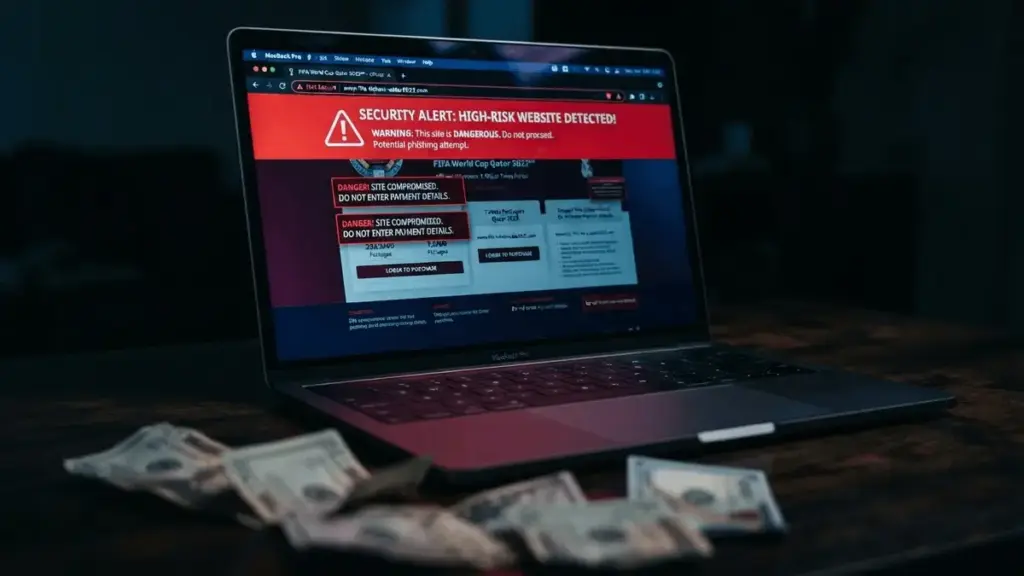
An Indianapolis soccer fan lost $22,000 to a World Cup 2026 ticket scam, and police are now investigating after the scammer vanished without delivering a single ticket. The case has landed as the FBI issues a warning about ticket scams aimed at World Cup fans.
Bet On The World Cup Today
| Sportsbook | Welcome Bonus | Claim Offer |
|---|---|---|
 |
$250 Crypto Welcome Bonus | Bet Now |
 |
125% Welcome Bonus Up To $1,250 | Bet Now |
 |
$250 Welcome Bonus For World Cup | Bet Now |
 |
100% Welcome Bonus Up To $2,500 | Bet Now |
How the Indianapolis Scam Went Down
Yves Siroit, whose family is from Argentina and who attended the 2018 World Cup in Russia, connected through a friend with a man calling himself Stephen. Stephen claimed to work in marketing for World Cup 2026 sponsors including Michelob Ultra and Coca-Cola, and offered tickets starting at $400 to $800 – well below the $2,000-plus market rate.
Siroit paid Stephen $22,000 over several months via Zelle on behalf of friends and family, with a signed contract requiring ticket delivery by May 20. That date came and went with no tickets and no Stephen.
His bank refused a refund because the payments were made willingly. WRTV‘s I-Team is investigating a possible Indiana link to the scammer, and police are actively pursuing the case.
Siroit acknowledged the red flags were there – including Stephen having no online presence or website, saying he kept trying to talk himself into believing it was real even after ignoring those warning signs.
FBI Flags Dozens of Spoofed FIFA Websites
The FBI issued a public service announcement warning about spoofed websites targeting World Cup fans, identifying a technique called typosquatting – where fraudulent domains mimic FIFA’s real URL using minor misspellings or alternative suffixes. Examples the FBI cites include fiffa[.]com, worldcup26ticket[.]com, fifa-ticket[.]live, and 2026fifaworldcuptickets[.]online.
The FTC issued a formal consumer alert warning fans to purchase only through official channels – FIFA.com/tickets, the FIFA app, or FIFA’s Resale and Exchange Marketplace.
As this site’s coverage of the FBI’s broader World Cup 2026 involvement documented, federal law enforcement has been actively monitoring the tournament’s financial ecosystem throughout the competition.
The Fraud Wave Is Bigger Than One Bad Actor
The Siroit case represents one face of a FIFA fraud problem that has exploded in scale heading into the final. Scammers are operating spoofed websites, pushing fake hospitality packages, and running paid social media ads designed to intercept desperate last-minute buyers.

Attorney Courtney Werning of Meyer Wilson Werning, who represents fraud victims, told WRTV that while tracking down individual scammers is difficult, financial institutions may carry liability. She said cases often focus on whether viable institutions should have been protecting the customer, and whether any parties failed cybersecurity protections or their duty of care to customers.
In some cases, websites are offering discounted tickets and ask fans to pay with cryptocurrency, and Werning says crypto is more mainstream and less likely to look concerning to people in an international event.
How to Avoid Getting Burned Before the Final
With the World Cup final at New Jersey arriving Sunday, fans still chasing tickets need to move carefully. The FBI’s official guidance is direct and unambiguous.
- Type fifa.com directly into the browser address bar, rather than using a search engine
- Avoid sponsored results in search engines because they can be paid imitators
- Verify the URL ends in .com and is correctly entered as www.fifa.com before entering any payment information
- Use bookmarks for navigating to login websites rather than clicking on Internet search results or advertisements
- Report suspected scams to the FBI’s Internet Crime Complaint Center at ic3.gov or the FTC at reportfraud.ftc.gov
The police investigation into the Indianapolis case remains active, and WRTV’s I-Team is continuing to probe the Indiana connection.
About the Author
