
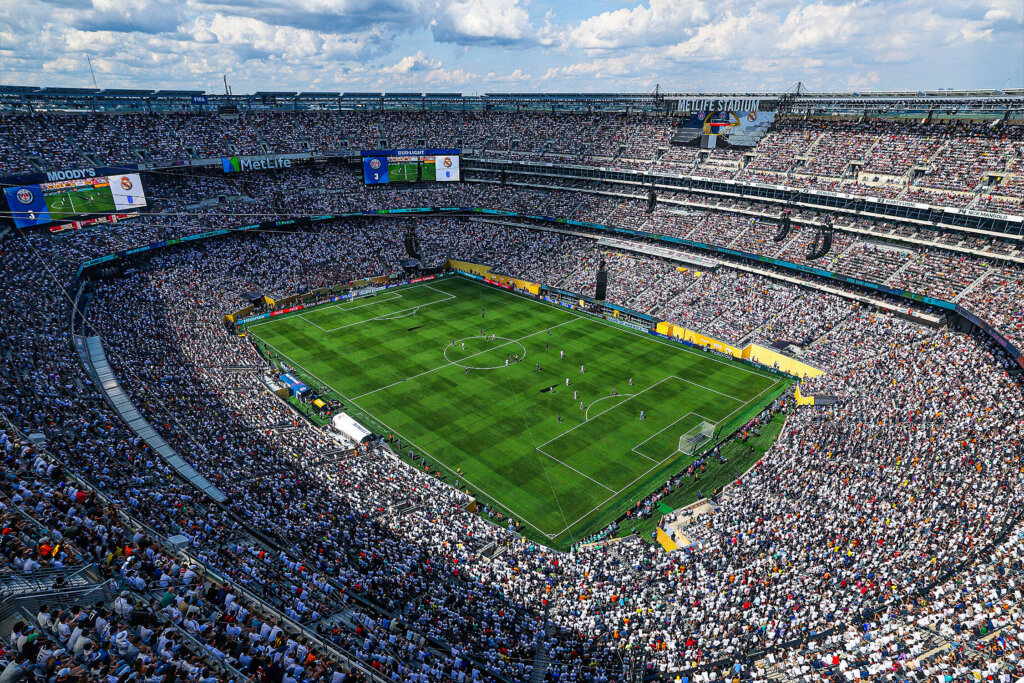
The FIFA World Cup 2026 is coming to the New York/New Jersey area, and it’s going to be a summer to remember.
With eight matches scheduled at MetLife Stadium — including the World Cup Final on July 19 — hundreds of thousands of fans from around the globe will be descending on the region.
But before you pack your scarf and jersey, there’s one thing you need to prepare for: the New York summer heat.
Here’s everything you need to know about the weather conditions you can expect at the World Cup 2026 in New York, and how to stay comfortable from the group stage all the way to the Final.
What Is the Weather Like in New York in June and July?
New York and New Jersey summers are no joke. June through July is peak heat season in the tri-state area, and fans travelling from cooler climates should be ready for a significant adjustment.
June temperatures in New York typically range from daily highs of around 78°F to 92°F (25°C–33°C), with overnight lows between 63°F and 75°F (17°C–24°C). By July — when the World Cup Final takes place — temperatures frequently soar even higher, with the heat index regularly pushing conditions to feel like 95°F to 100°F (35°C–38°C) or above when humidity is factored in.
That humidity is the real story. New Jersey in June sees average humidity levels of between 65% and 76%, making the air feel thick and heavy — especially in the afternoon and early evening.
Fans used to drier climates in Europe, South America, or Africa may find this combination of heat and moisture surprisingly intense.
World Cup 2026 New York Match Schedule: Which Games Are in the Heat?
All eight New York/New Jersey World Cup matches are played at MetLife Stadium in East Rutherford, New Jersey — officially renamed “New York New Jersey Stadium” for the tournament.
The schedule spans from mid-June right through to the Final in mid-July, meaning every single game falls within the height of summer.
Here are the confirmed fixtures:
- June 13 – Brazil vs. Morocco (6:00 PM ET)
- June 16 – France vs. Senegal (3:00 PM ET)
- June 22 – Norway vs. Senegal (8:00 PM ET)
- June 25 – Ecuador vs. Germany (4:00 PM ET)
- June 27 – Panama vs. England (5:00 PM ET)
- June 30 – Round of 32 match (5:00 PM ET)
- Round of 16 match – TBC
- July 19 – World Cup Final (3:00 PM ET)
Pay close attention to kick-off times. The 3:00 PM and 4:00 PM afternoon games — including the France vs. Senegal clash and the World Cup Final itself — will be played during the hottest part of the day.
Fans attending those fixtures should prepare accordingly.
How Hot Will It Feel Inside MetLife Stadium During the World Cup?
MetLife Stadium is an open-air venue with no roof, which means there is no shade canopy to protect the majority of fans from direct sunlight.
On a 90°F (32°C) afternoon with high humidity, the heat index inside the bowl can feel significantly higher — potentially exceeding 100°F (38°C) in unshaded sections.
The good news is that evening kick-offs — such as the Brazil vs. Morocco opener at 6:00 PM and the Norway vs. Senegal game at 8:00 PM — will benefit from lower temperatures as the sun sets.
If you have a choice of which games to attend, evening fixtures will be noticeably more comfortable.
Essential Heat Safety Tips for World Cup 2026 Fans in New York
Whether you’re a local New Yorker or flying in from abroad, these tips will help you stay safe and enjoy the experience:
Stay hydrated. The combination of heat, humidity, and the energy of a packed stadium crowd will cause you to sweat heavily. Drink water consistently before, during, and after the match — don’t wait until you feel thirsty.
Wear light, breathable clothing. Synthetic fabrics and dark colours absorb heat. If your national team’s kit is a heavy polyester, consider wearing a lighter version or a base layer underneath that wicks moisture away from the skin.
Apply and reapply sunscreen. UV exposure during a 90-minute afternoon game in a New Jersey summer is considerable. Use SPF 50+ and bring a travel-size bottle to top up at half time.
Plan your travel time carefully. NJ Transit trains from Penn Station to the stadium can get extremely hot and crowded on match days. Allow plenty of extra time and bring water for the journey.
Know the signs of heat exhaustion. Dizziness, nausea, headaches, and heavy sweating are warning signs. If you or someone near you feels unwell, seek shade and medical assistance immediately. First aid stations will be located throughout the stadium.
What About Rain and Thunderstorms at the World Cup 2026 in New York?
Summer in New York and New Jersey also brings the possibility of afternoon and evening thunderstorms.
June is one of the wetter months of the year, with rain possible on around 8 to 10 days during the month.
Storms tend to build up quickly in the afternoon heat and can bring heavy, sudden downpours.
FIFA and stadium officials have contingency plans in place for weather delays, but fans should be prepared for the possibility of brief interruptions.
A lightweight, packable rain jacket or poncho is a smart addition to your match day bag — it takes up almost no space but could save you from a drenching.
World Cup 2026 New York Fan Zones: Staying Cool Outside the Stadium
If you’re not inside MetLife Stadium but watching matches at one of the official NYC fan zones — including locations at Rockefeller Center, Brooklyn, the Bronx, Staten Island, and Queens — the same heat advice applies.
Fan zones are largely outdoor spaces, so sunscreen, hydration, and light clothing remain essential throughout the tournament.
The World Cup 2026 is going to be a spectacular event for New York and New Jersey.
With the right preparation, the summer heat doesn’t have to slow you down — it can actually add to the electric atmosphere that makes a FIFA World Cup truly unforgettable.
About the Author
